How to Open an Online Casino: A Step-by-Step Guide

How to Open an Online Casino
Opening an online casino takes more than choosing games and launching a website. You’ll need a viable business plan, authorization for every market you serve, reliable technology, secure payments, and strong safeguards for players.
1. Choose your market and business model
Research the countries or jurisdictions where you plan to operate. Study local rules, customer demand, competitors, and the games people prefer. Decide whether you’ll build a casino brand using a third-party platform, license your own technology, or use another operating model. Your target markets matter because gambling laws and licensing requirements vary by jurisdiction.
2. Get legal and compliance advice before launch
Consult qualified gambling-industry counsel before accepting customers or advertising. Identify the required company structure, licenses, approvals, and ongoing obligations in each target market. Licensing applications can take months, and offering gambling services without the necessary authorization can put the business at serious legal and financial risk.
Plan for age and identity checks, anti-money-laundering controls, privacy and data security, responsible-gambling measures, and reporting requirements. Exact obligations depend on the jurisdictions where you operate, so verify them with local regulators and legal advisers.
3. Build a realistic business plan
Estimate licensing and legal costs, platform and game fees, payment-processing expenses, staffing, marketing, customer support, and ongoing compliance. Model revenue and cash needs conservatively; a casino also needs sufficient funds to cover player balances, payouts, and operating costs. Market and competitor research can help identify a clear niche and a sustainable way to stand out.
4. Select your platform and game suppliers
Compare providers on reliability, security, reporting, customer support, integration, and regulatory suitability—not just the size of their game catalogue. Casino software can support game delivery, payments, and operational management, so choose a provider that can meet your compliance and technical needs.
Confirm that games are approved for the markets you intend to serve, and review supplier contracts, fees, service levels, and responsibilities before signing.
5. Set up payments and player protections
Work with payment providers that support your licensed markets and gambling business model. Establish clear processes for deposits, withdrawals, verification, disputes, fraud prevention, and recordkeeping. Make the terms easy to understand, and implement tools that help players set limits, take breaks, or seek support.
6. Test thoroughly before launch
Test registration, identity checks, deposits and withdrawals, game functionality, security, customer support, and responsible-gambling features. Fix problems before opening to the public, and confirm that your licensing and operational approvals are in place.
7. Launch only where you’re authorized
Make your website and promotions specific to the markets you’re legally allowed to serve. Monitor compliance, security, payments, and player complaints continuously after launch. A responsible online casino is built not only to attract customers, but to operate lawfully and protect them.
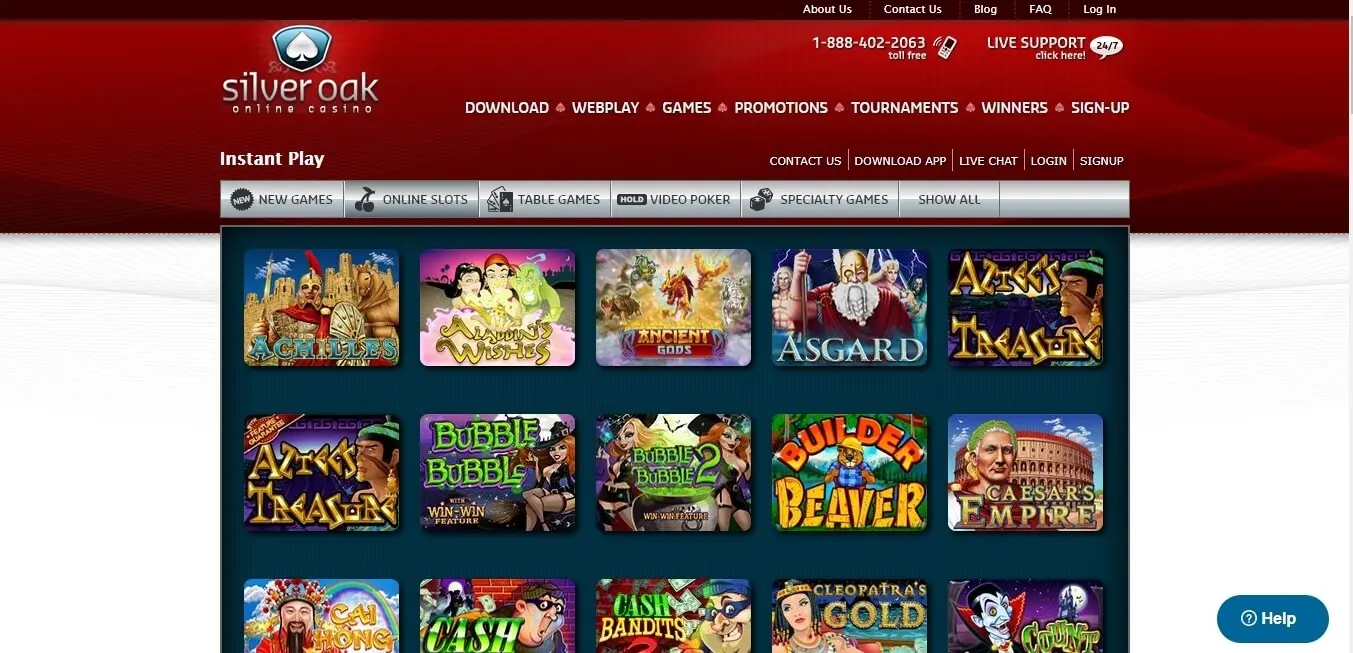
Silver Oak Casino Guide: Login, No Deposit Bonus and Casino Information
This site only collects related articles. Viewing the original, please copy and open the following link:How to Open an Online Casino: A Step-by-Step Guide